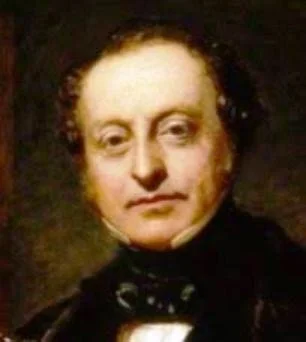
CHARLES BARRY: BORN 1795
ARCHITECT
Born to a prosperous stationer, Charles Barry was apprenticed to a London firm of architects at the age of 15. At 21 he got access to his inheritance from his father and proceeded on a Grand Tour to Paris, the Mediterranean and the Middle East. Through his wife’s connections he gained a series of commissions to design churches. He designed the Reform Club and the Travellers Club in Pall Mall and the Manchester Art Gallery. He also remodelled several grand country houses, including Cliveden, Buckinghamshire.
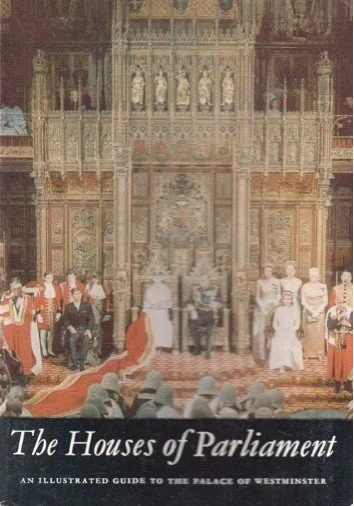
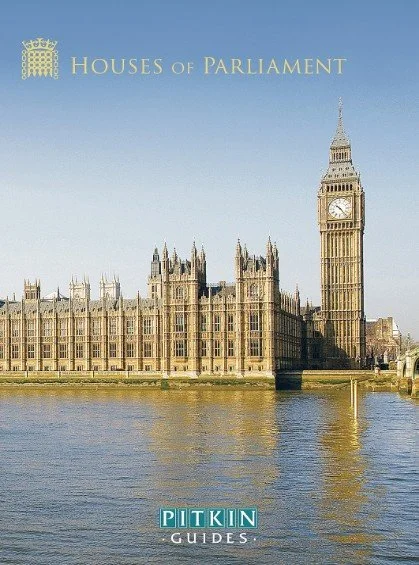
Barry’s most famous London work was the present Houses of Parliament, its predecessor having been destroyed by fire in 1834. He was assissted by Augustus Pugin who concentrated on the elaborate interiors. It remains, along with St. Paul’s Cathedral, one of London’s two greatest landmark buildings.
BOOKS FROM AMAZON
LIFE
Charles Barry was the son of a prosperous stationer, and was educated at private schcools. At the age of 15 he was apprenticed to a Lambeth firm of architects and surveyors. In his twenties he embarked on a Grand Tour around the Mediterranean and the Middle East. He visited Paris, Rome, Athens, and Palestine, making many sketches of the buildings he saw.
His first major commissions as an architect were from the Church Building Commissioners, to whom he had been introduced by Sir John Soane. He designed many churches around the country. All were in the gothic style, except for a church at Hove, East Sussex, in the italianate style. His civic buildings in the italianate style included the Travellers Club and the Reform Club in Pall Mall. He also designed numerous country houses.
The old Houses of Parliament were destroyed in a fire in 1834 and Barry won the commission to design a new Palace of Westminster. He worked on this massive project with Augustus Pugin, who designed mosaics, wallaper, stained glass and furniture. Although the result has become a much loved national icon, the process was fraught. Planned to take six years, the project took twenty six years, and ended up three times over budget.
His reputation survived these difficulties, and he became a highly respected member of the architectural establishment: Vice President and Gold Medallist of the Royal Institute of British Architects (he turned down the offer of the Presidency) and a Fellow of the Royal Academy. Four of Barry’’s five sons followed him into an architectural career.
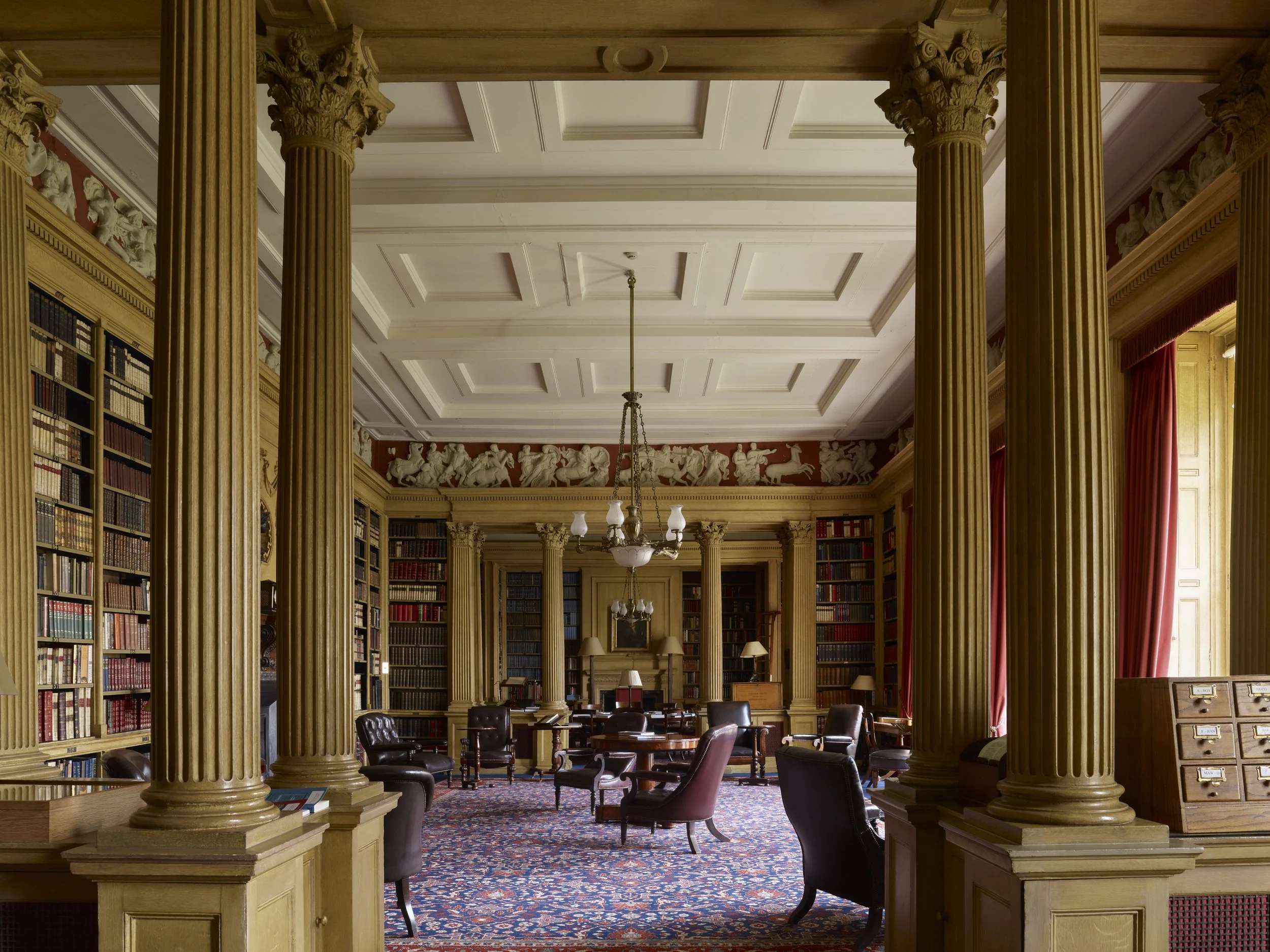
Travellers Club: 1832. 106 Pall Mall SW1Y 5EP.
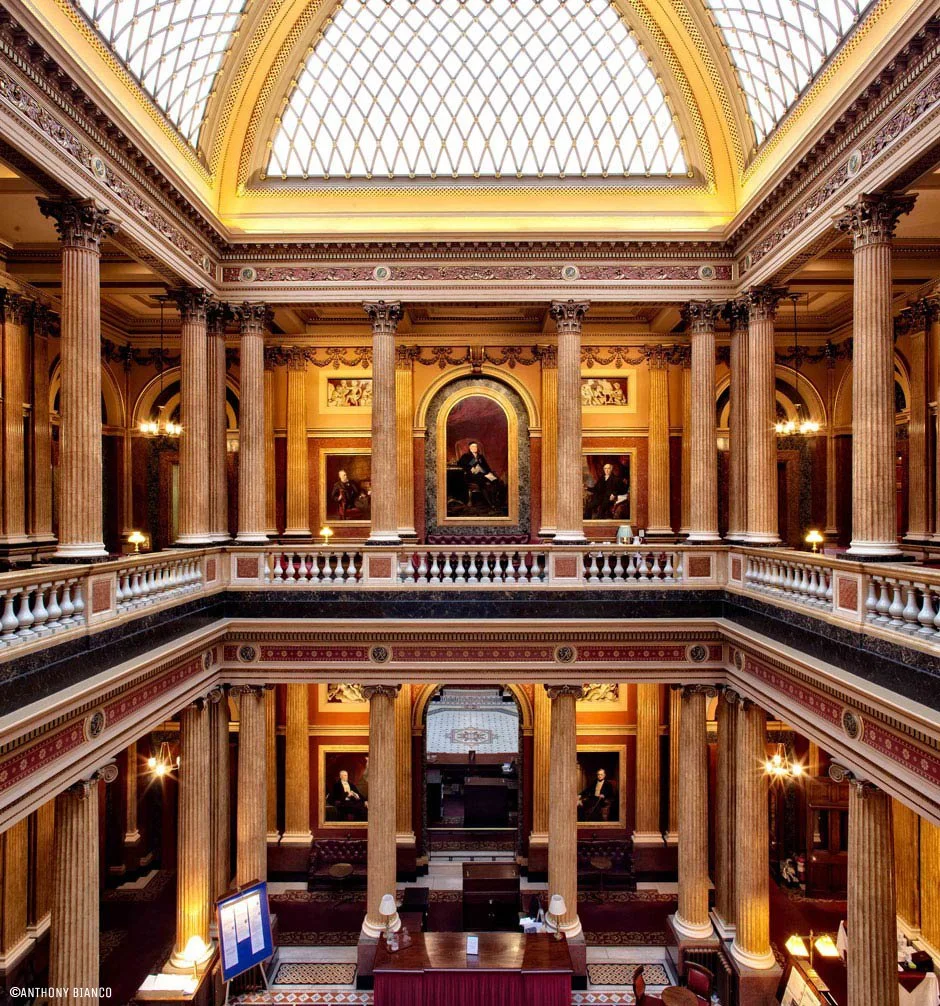
Reform Club: 1837. 104 Pall Mall, W1Y 5EW.
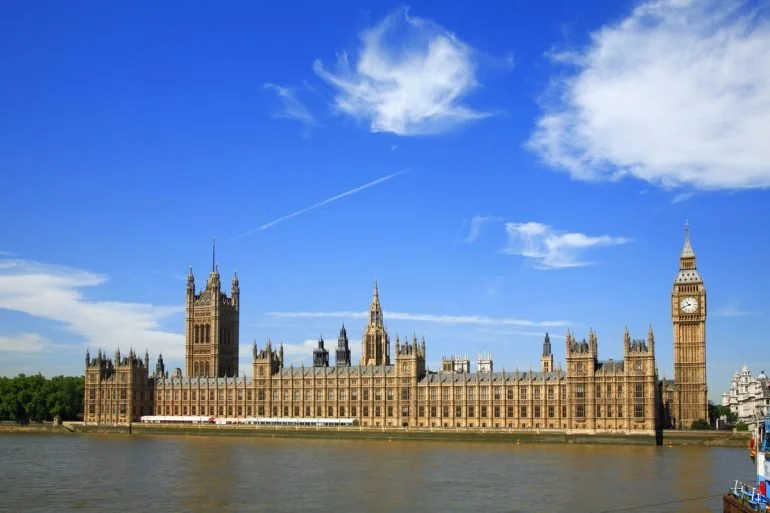
Houses of Parliament: 1870. SW1 0AA.