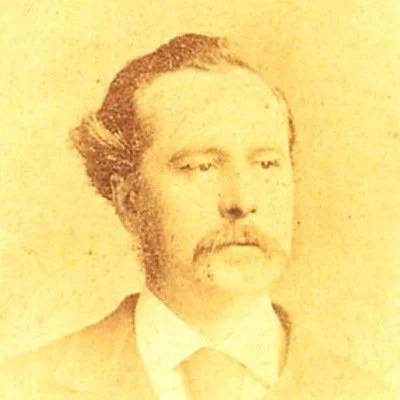
ROBERT CROMIE: BORN 1887
CINEMA ARCHITECT
Robert Cromie studied architecture at University College London and the Architectural Association. In 1914, at the age of 27, he set up his own practice. He specialised in the design of theatres and cinemas.
One of the best surviving example of his cinema design is the Apollo Theatre in Hammersmith, now mainly used a venue for musical events. It is Grade II* listed by English Heritage as a fine example of 1930s cinema design. Sadly its facade today does not give onto public open space, but straight onto the Hammersmith Flyover and its roaring traffic.
BOOKS FROM AMAZON

LIFE
Robert Cromie was born in Battersea, London, England on 29 November 1887. He was articled to Alfred John Wood (1861-?) in London from 1905 to 1909 and remained with him as an assistant for a further year. During these years he also attended University College, London and the Architectural Association Schools in London. From 1910 he was employed as an assistant to William Robert Crewe (1863-1937) in London.
By 1914 Cromie was in independent practice as an architect in London and specialised in the design of theatres and cinemas. He was a Member of the Society of Architects (MSA) and was elected an Associate of the Royal Institute of British Architects (ARIBA) in 1914, and a Fellow of the Royal Institute of British Architects (FRIBA) in 1921.
Cromie specialised in Art Deco cinemas and theatres. Two London examples are shown below.
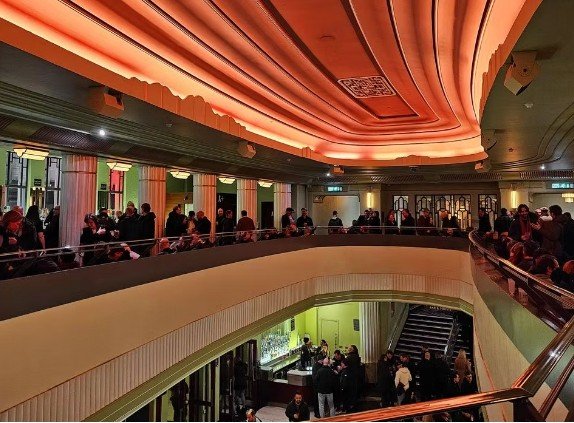
Hammersmith Apollo (formerly Hammersmith Odeon). W6 9QH.
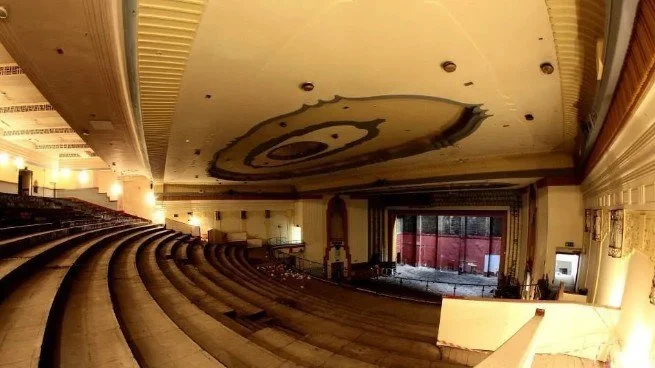
Regal Cinema, Kingston upon Thames. KT2 5ED.