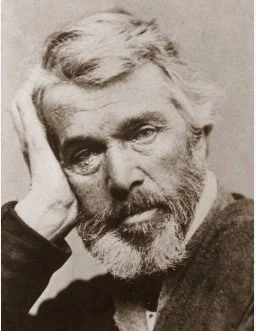
THOMAS CARLYLE: BORN 1795
LONDON LIBRARY FOUNDER
Thomas Carlyle was a Scottish essayist, historian and philosopher. Known as the "sage of Chelsea", his writings strongly influenced the intellectual and artistic culture of the Victorian era. He was the founder in 1841 of the London Library at 15 St. James’s Square.
Carlyle was prompted to found the London Library by shortcomings of the library at the British Museum. He found this crowded and oppressive. He often could not find a seat, and resorted to leaning on a ladder. He also found that the lack of ventilation gave him ‘museum headache’. A key feature of Carlyle’s London Library was that books could be borrowed, a pracice which continues today. It is not clear whether this ability to borrow books led to frustration for readers who arrived in person to find their desired book was not there.
The London Library continues today in its original premises in St. James’ Square, with around 7,000 subscribing members.
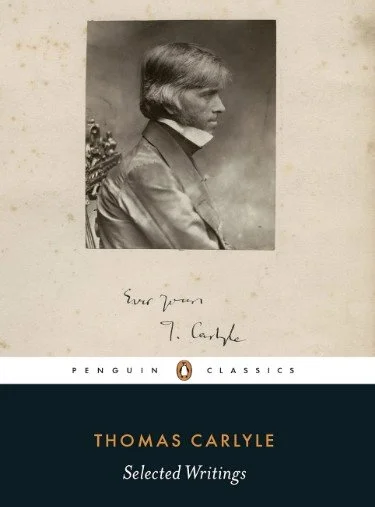
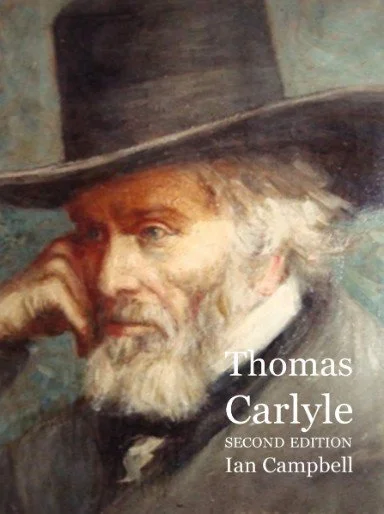
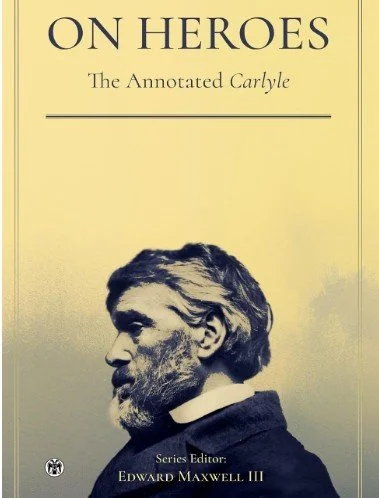
BOOKS FROM AMAZON
LIFE
The following account of Thomas Carlyle’s life was extracted, with acknowledgement and thanks, from the website of London Library at www.londonlibrary.co.uk.
Thomas Carlyle (1795 –1881) was a writer, historian and philosopher. Born in Scotland, Carlyle moved to London in 1834 where he wrote, lectured and created a network of notable literary friends, including early London Library members such as JS Mill, Charles Dickens, Harriet Martineau, Leigh Hunt, WM Thackeray and Alfred Lord Tennyson.
In 1838, frustrated by the lack of a lending library in London, Carlyle began gathering support for the creation of The London Library. He was adept at articulating the need for such a resource and by April 1840 he had helped create a committee to pursue its foundation. In June 1840 the committee arranged a promotional event at the Freemasons Tavern, featuring speeches by various committee members, including Carlyle, who passionately elucidated the case for the Library to an enthusiastic audience.
The Library was founded in May 1841 and Carlyle sat on its first committee and was elected President in 1870.
As a writer, Carlyle produced some influential and highly celebrated works, including Sartor Resartus (1833-4), A History of the French Revolution (1837), and On Heroes, Hero-Worship, and The Heroic in History (1841). However, his later writings revealed his racist views. In particular, Carlyle’s essay Occasional Discourse on the Negro Question, first published anonymously in 1849, opposed the abolition of slavery. This bought him into direct conflict with liberal thinkers of the time including his erstwhile friend JS Mill who published an opposing essay. Carlyle’s racist views are completely unacceptable and the London Library does not share them.
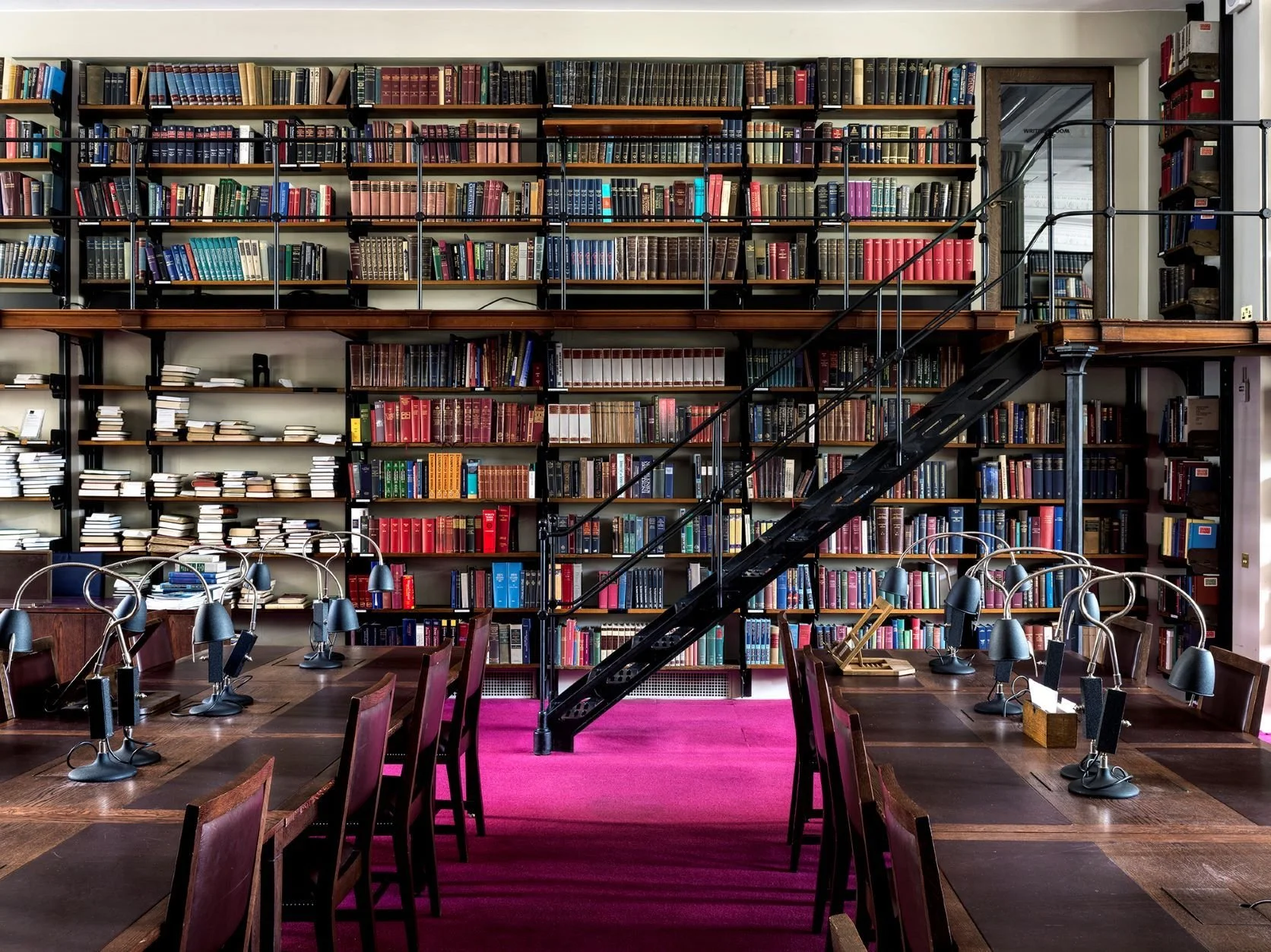
The London Library at 14 St James’s Square.