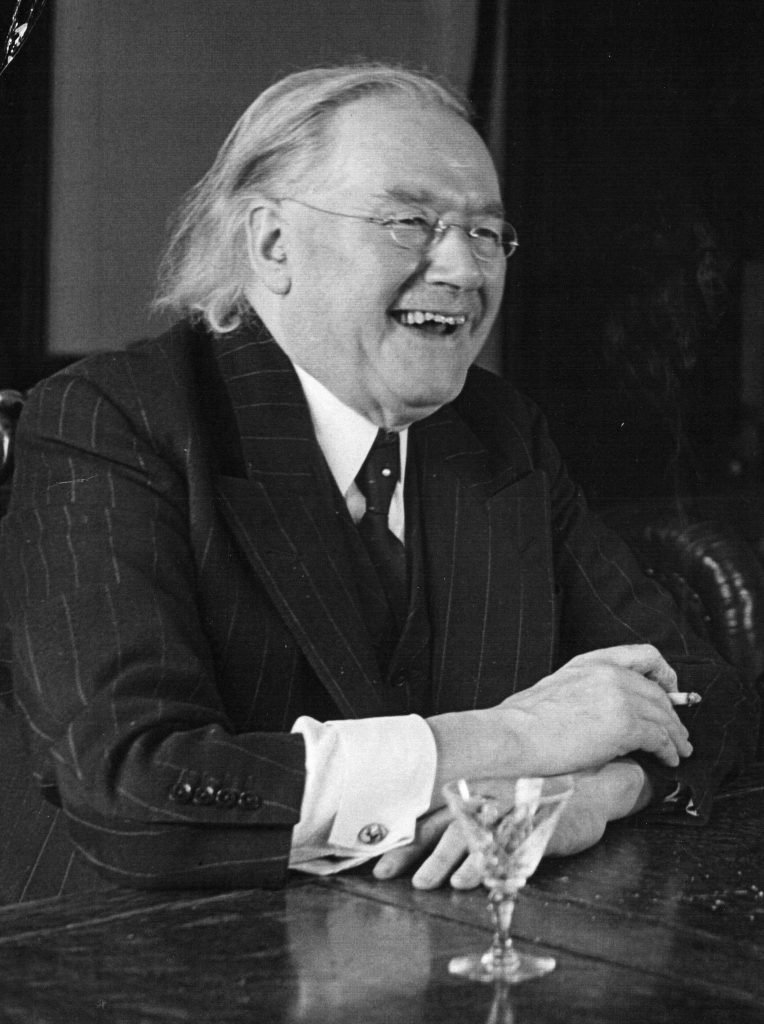
WILLIAM FOYLE: BORN 1885
BOOKSELLER
William Foyle, with his brother Gilbert, founded Foyles bookshop in 1903. Based in Charing Cross Road, it quickly became the largest bookshop iin the world. A warren of stairs and attics it overflowed with new and second hand books, stacked in a disorganised chaos, which only the staff understood.
William was a keen collector of rare books, which he housed in his home at Beeleigh in Essex. His collection was sold at auction, raising the enormous sum of £12 million.
Now part of the Waterstone chain, Foyles moved across the road in 2014 to a splendid new and modern bookshop at 107 Charing Cross Road. Here the books are very neatly arranged.
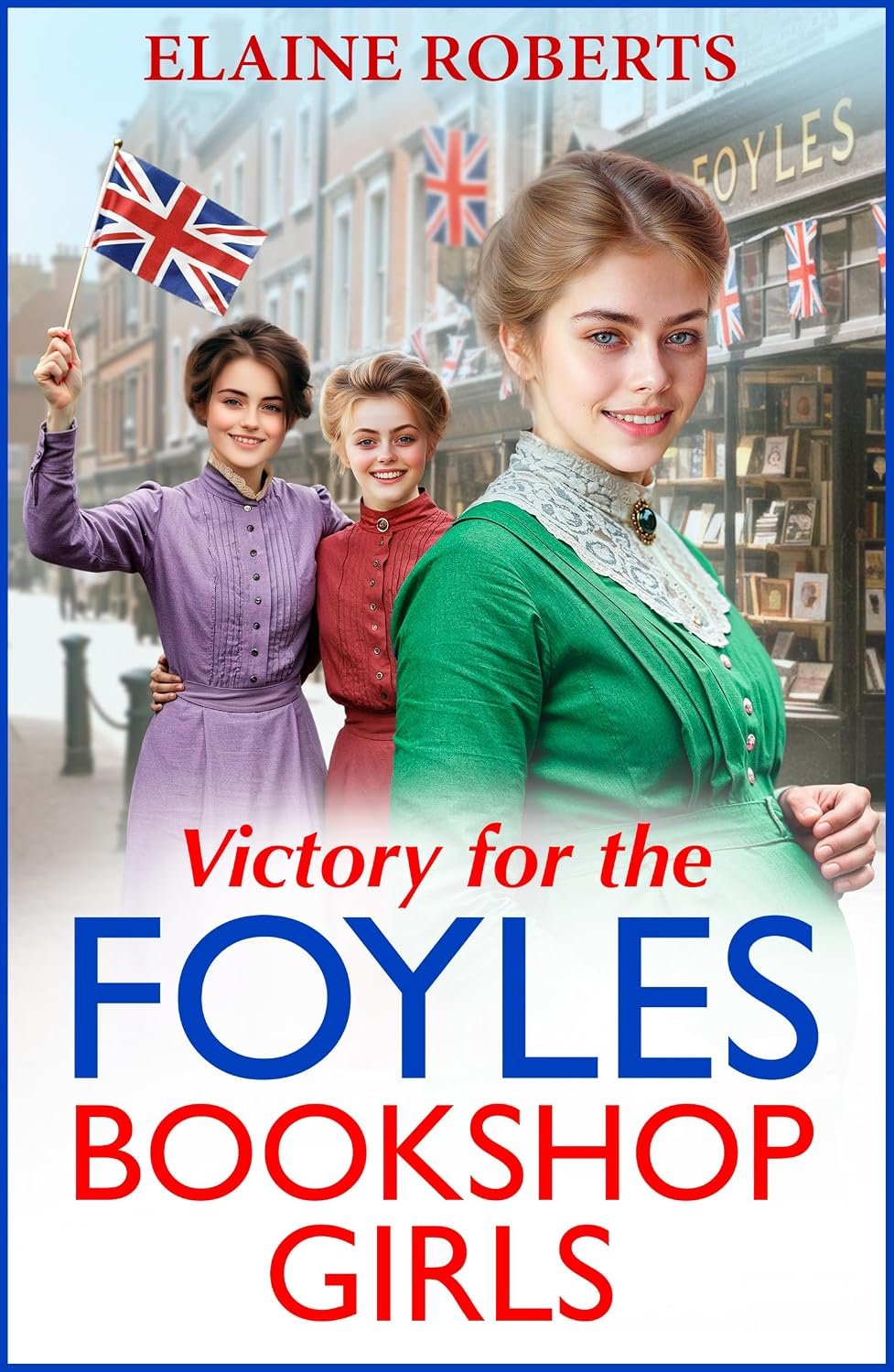
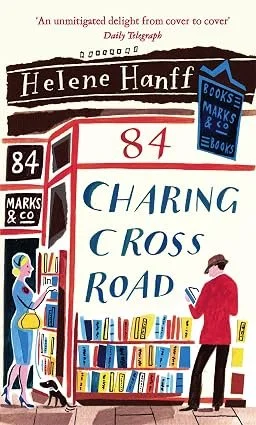
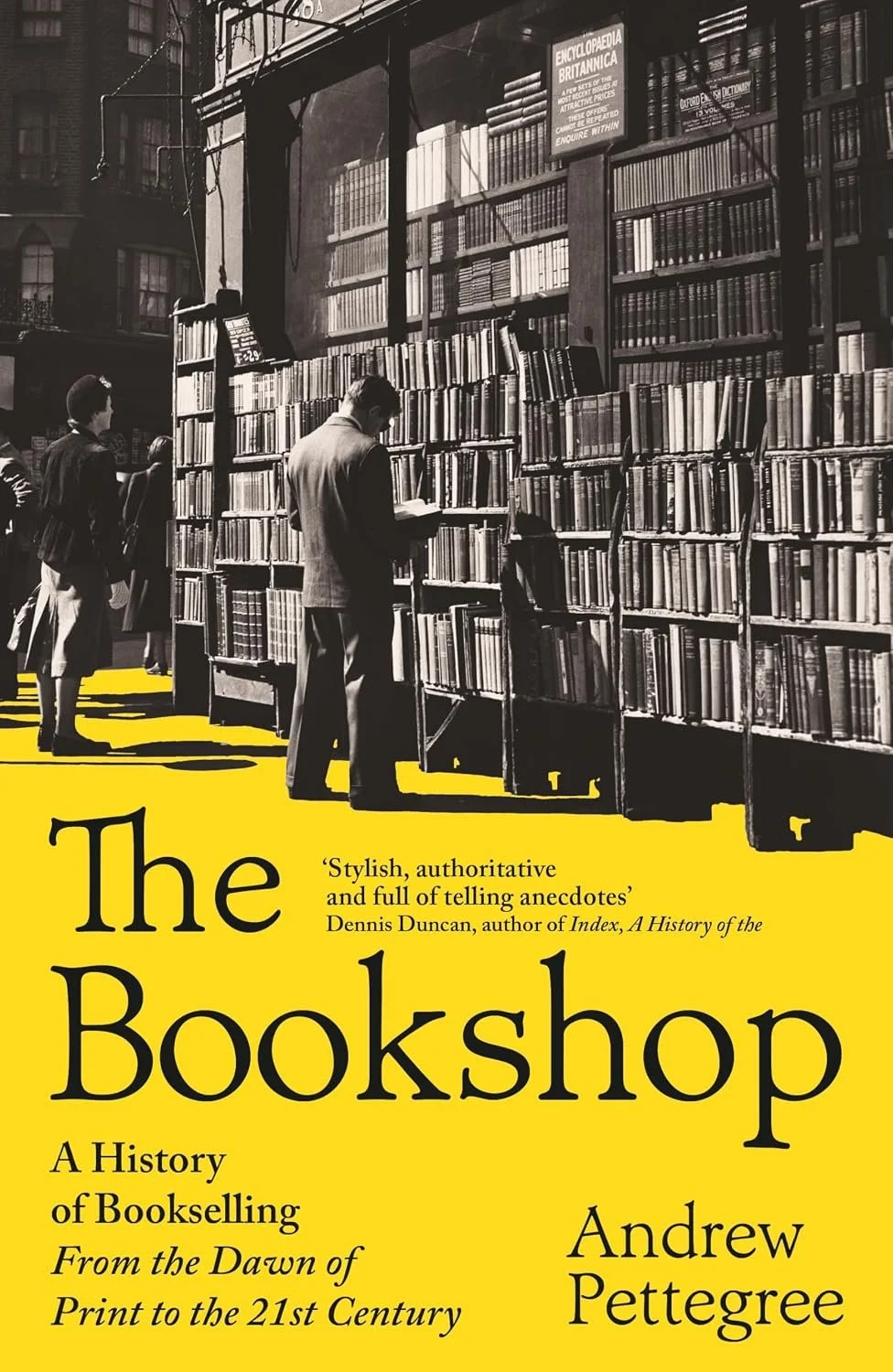
BOOKS FROM AMAZON

LIFE
The following account of William Foyle’s life was extracted, with acknowledgement and thanks, from Wikipedia.
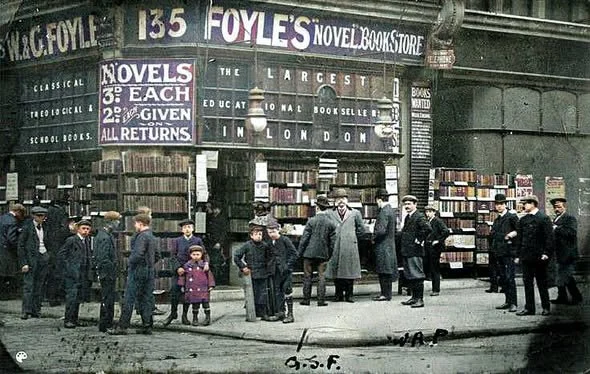
William Alfred Westropp Foyle (1885–1963) was a British bookseller and businessman who co-founded Foyles bookshop in 1903 with his brother Gilbert Foyle.
William Foyle was one of the leading London booksellers of the 20th century. In 1903 he opened his first bookshop with his brother Gilbert and by the late 1920s the business had grown so rapidly that their bookstore in Charing Cross Road held a stock of four million volumes on over thirty miles of bookshelves, and the name of Foyle had become synonymous with bookselling in London. His vision for the business was a bookshop for the world - for every one from any station in life - "The People's Bookshop". His inspiration was James Lackington's late 18th century "Temple of Muses" at Chiswell Street, London.
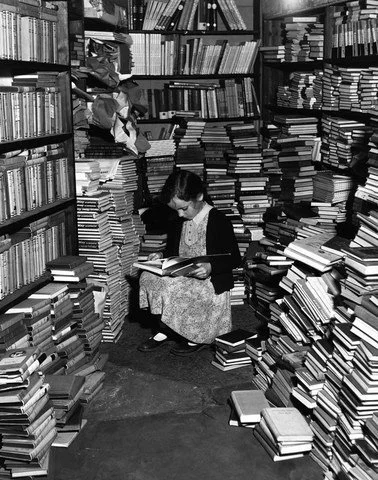
The Foyle brothers were determined to create the greatest bookshop in the world. Foyles became increasingly popular with customers and members of the public throughout the world. In 1930, Foyle's nineteen-year-old daughter, Christina, brought together famous writers and distinguished figures, along with members of the public, to create the world's first public literary luncheon.
In May 1936, the Left Book Club was established, and towards the end of 1936 a group of "neo-Tories" mooted the idea of a right-wing book club. Foyle and his daughter Christina undertook to organize it, and the Right Book Club was launched at a luncheon at the Grosvenor House Hotel in April 1937, with Lord Stonehaven, the recently retired chairman of the Conservative Party, presiding.
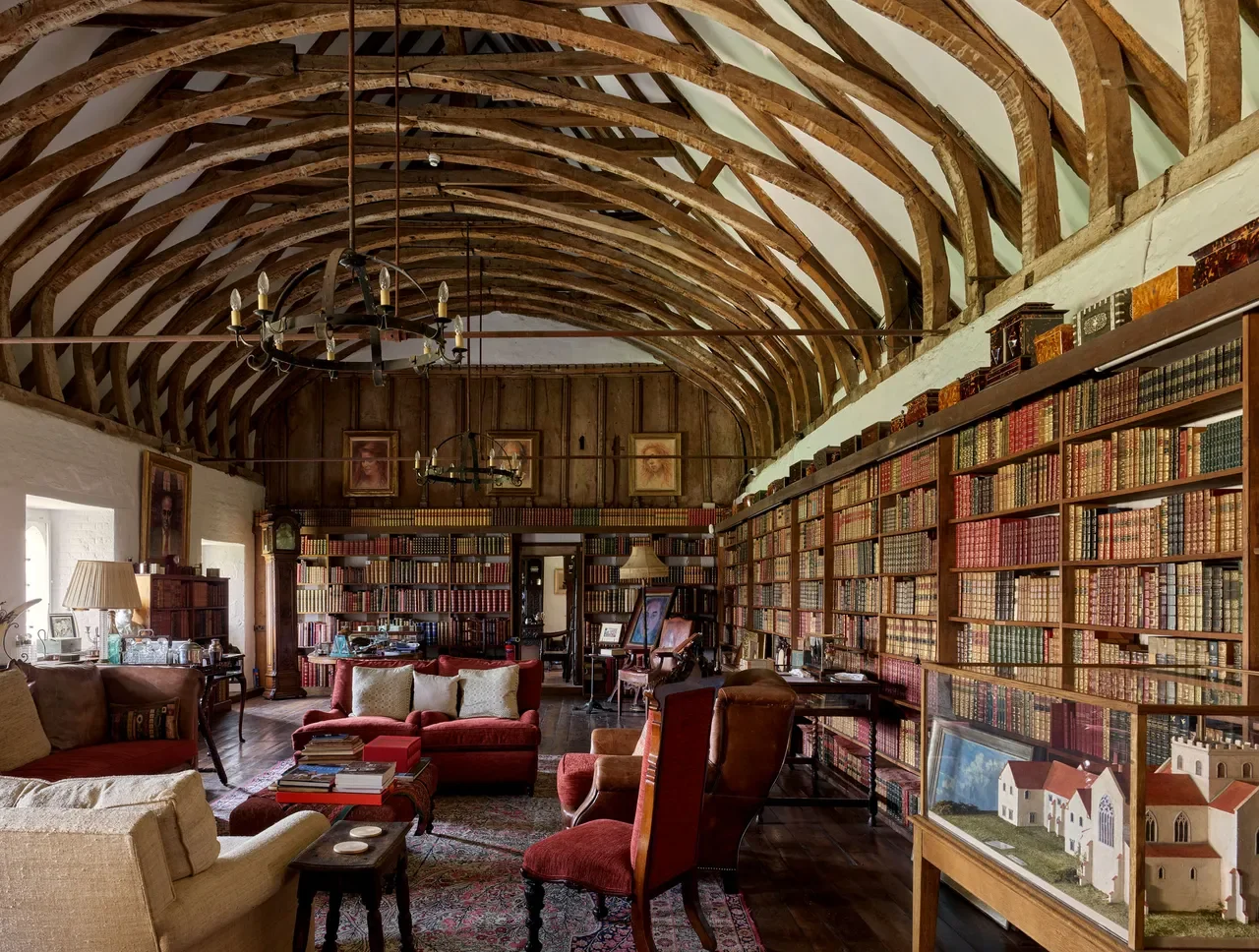
Beeleigh Abbey. Bought by William Foyle as his home and as the repository for his collection of rare books.
During the Second World War, Foyle bought Beeleigh Abbey, a 12th-century monastery on the River Chelmer at Maldon, Essex. Although Foyle had collected books from an early age, it was at Beeleigh Abbey that he was able to house the books properly, forming one of the largest English private libraries of the 20th century. From 1963 to 1999 Christina Foyle lived at and maintained the Beeleigh estate. In July 2000 the library was sold at auction by Christie's auction house. The three day sale realised some £12,000,000, the most expensive item, a Medieval French work, selling for £883,750. It was the single most valuable collection of books ever to be sold at auction in Britain or Europe.
Foyle died at Beeleigh Abbey on 4 June 1963 and is buried on the east side of Highgate Cemetery, close to his son William Richard Foyle who had died six years earlier.
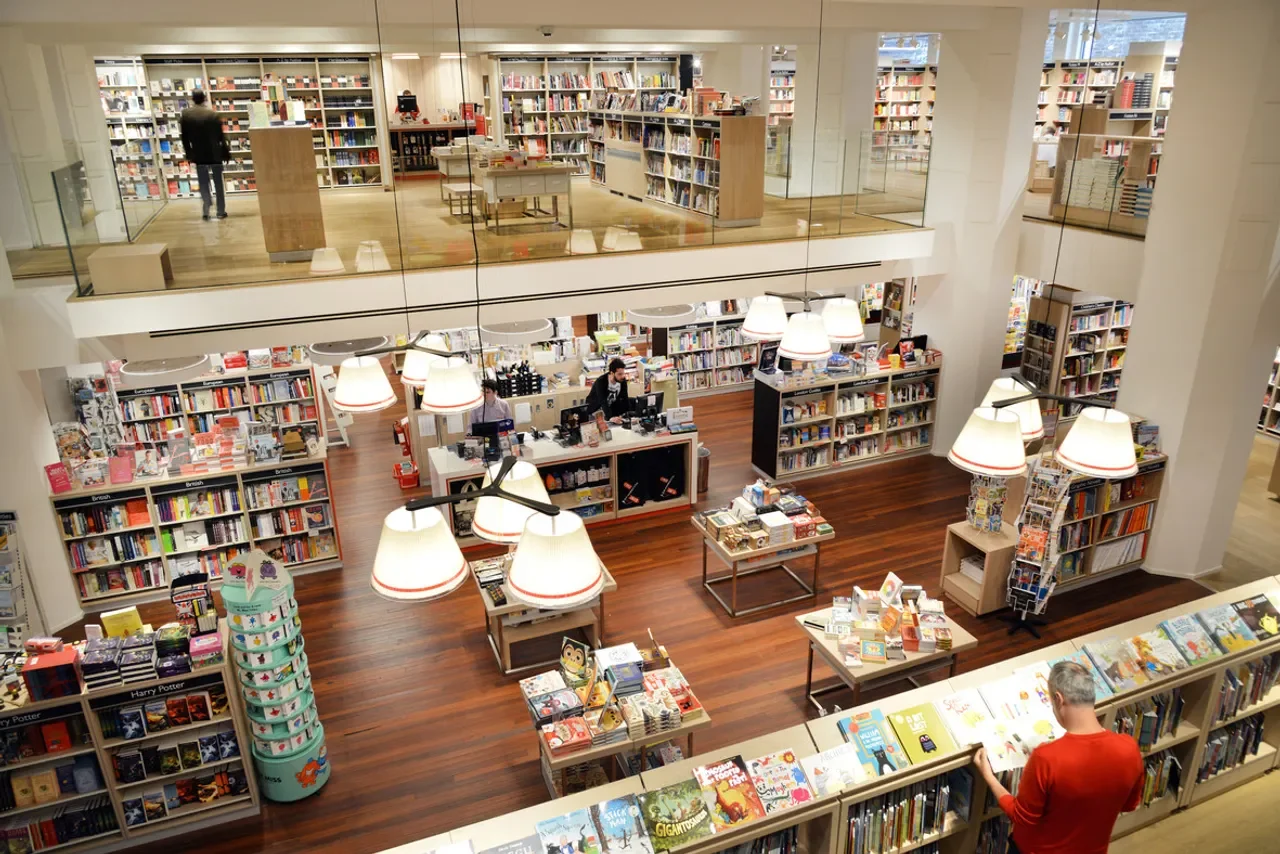
Foyles moved into its new moder store, on the other side of Charing Cross Road, in 2014
POSTSCRIPT FROM A GRANDSON
The following is extracted, with acknowledgement and thanks, from the website of Bill Samuel at www.bilsamuel.co.uk. William Foyle was his maternal grandfather. Bill Samuel introduces himself thus:
I was born into a family who always had an international outlook, an interest in people and a feeling for the cultural side of life. William Foyle, one of the greatest booksellers, and book collectors, of the twentieth century, was my maternal grandfather: my paternal grandparents were vaudeville performers at the turn of the twentieth century. I inherited a passion for books and my life was largely shaped by the books I read as a child, which gave me a desire to see as much of this wonderful world of ours as I could. My early travels lead me to Kenya, and I have a deep and abiding affection for East Africa where I spent the very formative years from my mid-twenties to my mid-thirties. I love its people, its climate, its wonderfully varied countryside and its breathtakingly wide ecology. Later travels took me to the Arab world, the Caribbean and various countries in Eastern Europe, all of which I found fascinating and all of which have enriched my life.
Bill Samuel writes of his grandfather’s legacy:
I am greatly saddened to read that The Foyle Foundation is to close. As background, my grandfather William Foyle made a substantial fortune by building up probably the largest bookselling business in the world at the time, and having the foresight to invest the profits in real estate. A few years before his death in 1963 he gave a majority shareholding in his companies to his daughter Christina, whose mismanagement and neglect destroyed most of the value of the bookselling business. The value of the property investments, ably managed by her husband Ron, increased over time, as property investments almost always do. On her death in 1999 Christina’s estate was valued at some £60m; apart from a few comparatively small bequests she left the balance ‘for charitable purposes’ not, I think, because she was charitably-minded, but because she didn’t like her family.
Her executors, led by the senior partner of the law firm which had always looked after her affairs, who himself had met neither Christina nor William, set up The Foyle Foundation as the vehicle to implement her wishes. He told me at the time that it was the intention of the trustees to disburse the money as quickly as practically possible by making substantial grants to arts institutions, then to wind up the Foundation. I suggested that William would almost certainly have preferred to support lower profile charities which struggle to raise funds; the trustees eventually set up an organisation with sufficient staffing to be able to vet a large number of funding applications.
Since the Foundation was established it has given away several million pounds a year while maintaining its capital value. The original trustees were all partners in the law firm, except Ron’s nephew, an estate agent who died a couple of years after the Foundation was established. My cousin Christopher Foyle served for a little over a year until he resigned when he relocated to Monaco for tax reasons but apart from that the Foundation has never had, nor has it sought, any involvement from the Foyle family, taking the view that the initial funding came from Christina and perhaps being aware of her feelings toward her family. I would of course have loved to have had some involvement, but at least over the years the Trustees have been receptive to charities with which I have put them in contact.
By the time the Foyle Foundation is finally wound up it will have given away just under £200m, not a bad legacy from a man born into poverty in the East End of London towards the end of the nineteenth century.