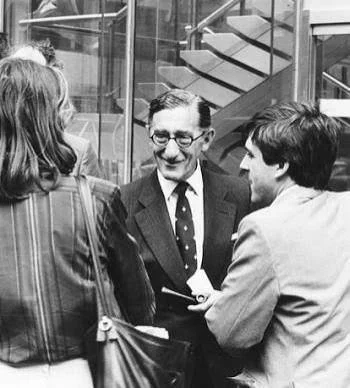
RICHARD SEIFERT: BORN 1910
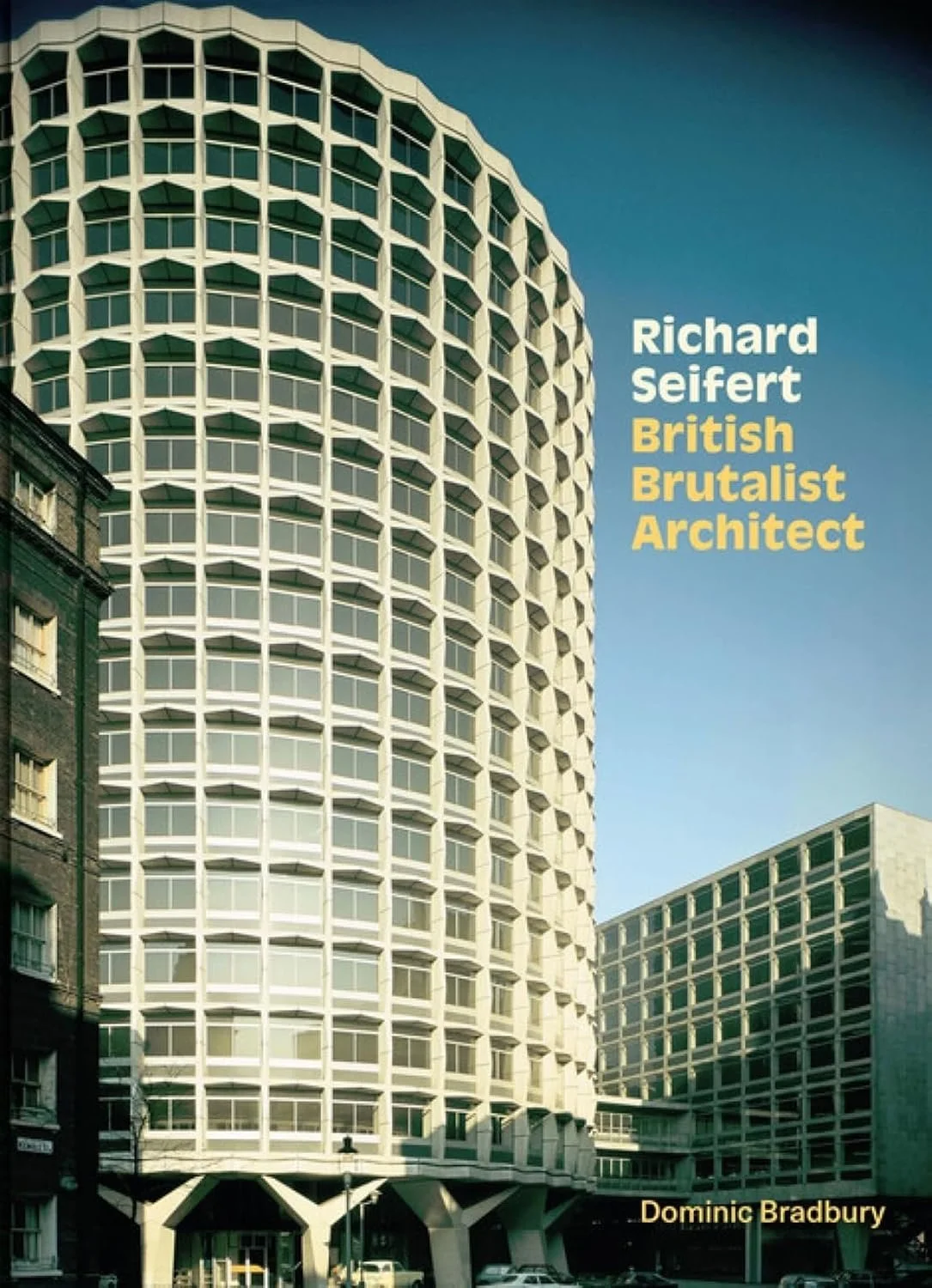
Richard Seifert designed more than 600 buildings, many of them office buildings in London. His Centre Point tower at Tottenham Court Road has become a well loved icon. And his Space House in Kingsway has been listed by English Heritage. Sadly this was 14 years after his death. During his lifetime Seifert was looked down upon by the architectural establishment, perhaps because he worked mainly for developers. No more.
BOOKS FROM AMAZON

LIFE
The following is reprodcued, with acknowledgement and thanks, from the website of Wallpaper magazine at www.wallpaper.com. It was written by Emily Wright in November 2025.
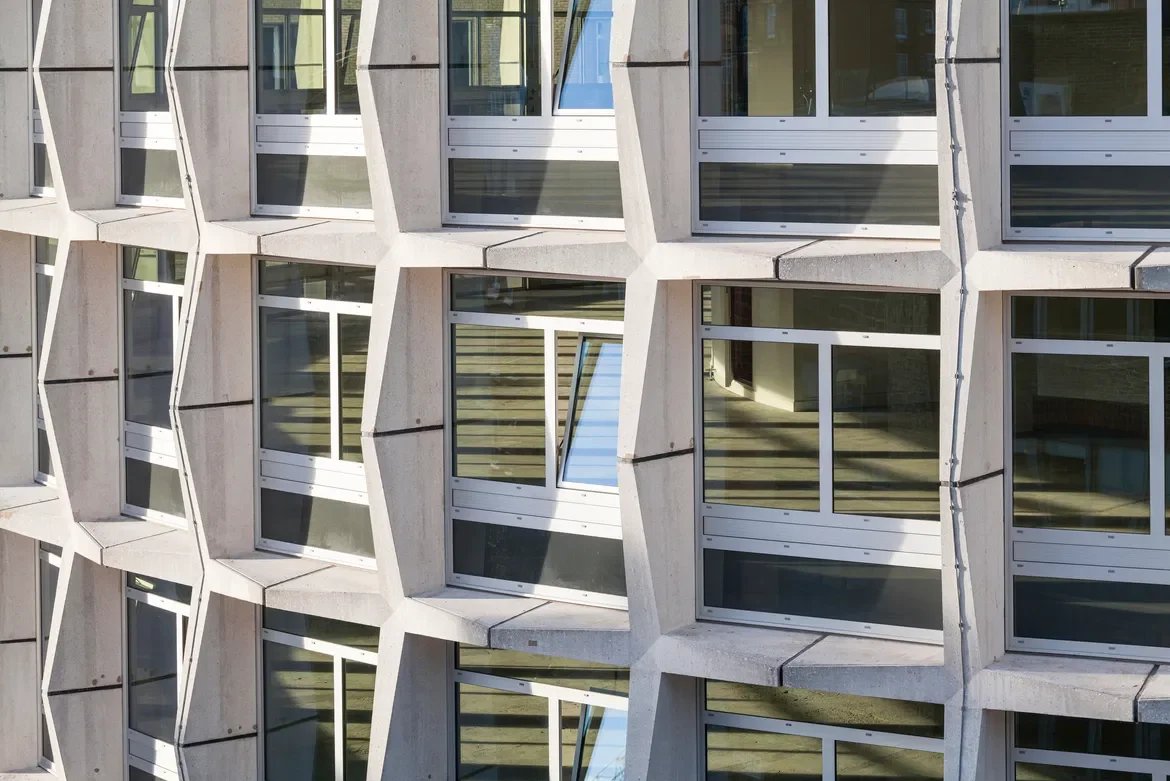
Space House, Kingsway, originally designed by Richard Seifert, facade close up of concrete elements.
London is full of Richard Seifert buildings, sprinkled with the 20th-century architect's magic and uncompromising style; here, we explore his prolific and, at times, controversial career. If you have spent time in London, particularly rushing around the streets of the city’s various business districts, you will most likely have passed by a Richard Seifert building.
The Swiss British architect, who delivered an astonishing 600-plus structures across the UK capital throughout the 1960s and 70s, including Centre Point, The NatWest Tower and Space House just off Holborn’s Kingsway, is credited both as being the man who brought the high-rise office block to the UK and the designer who has shaped the London skyline more than any other.
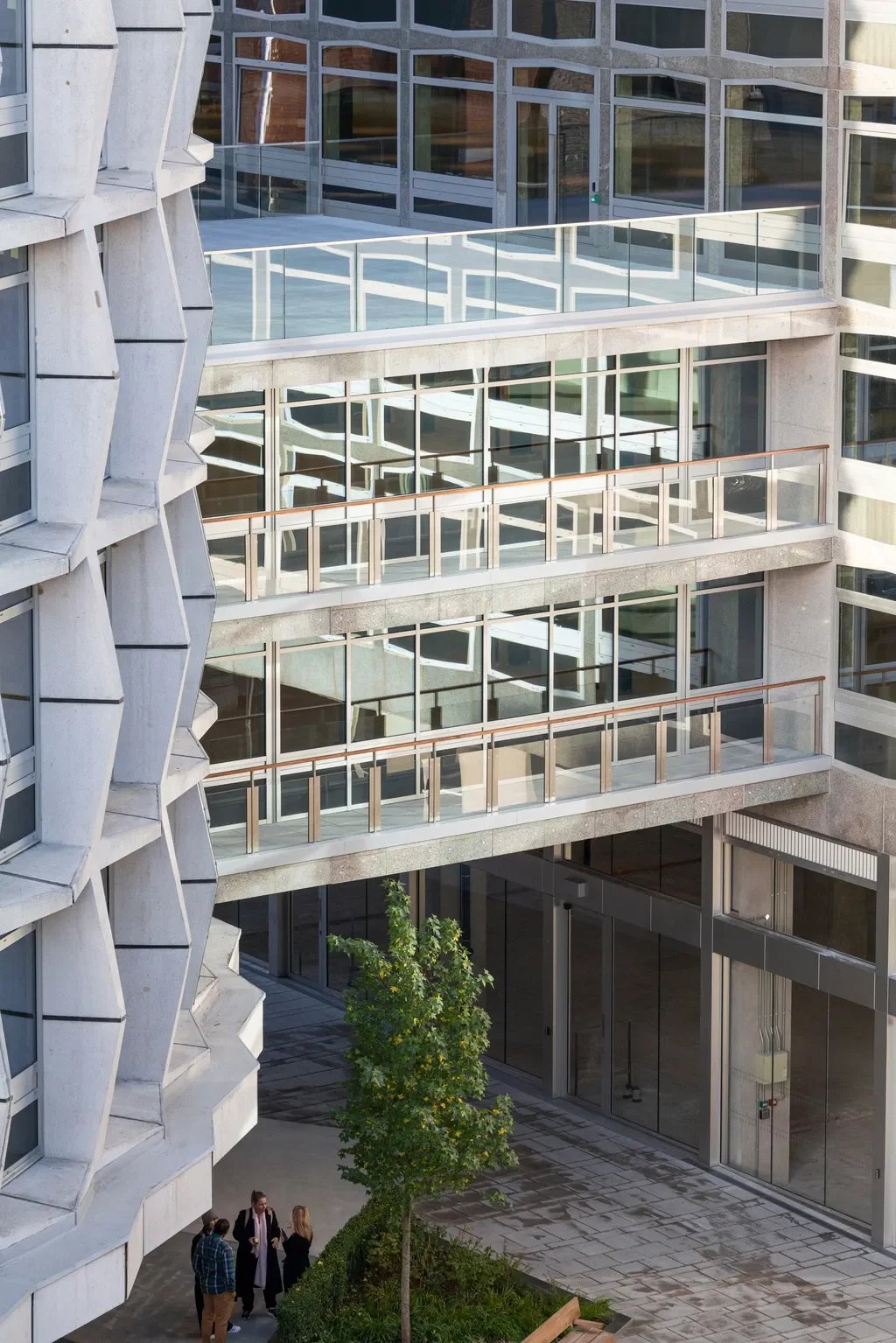
Space House (Image credit: Gareth Gardner)
But ubiquity and popularity don’t always go hand in hand. No stranger to criticism, Seifert was reviled by many throughout his career thanks to his uncompromising style – urban, modern and bombastically brutalist. He even managed to get on the wrong side of Princess Margaret, who expressed her dislike for his Royal Garden Hotel overlooking her garden at Kensington Palace.
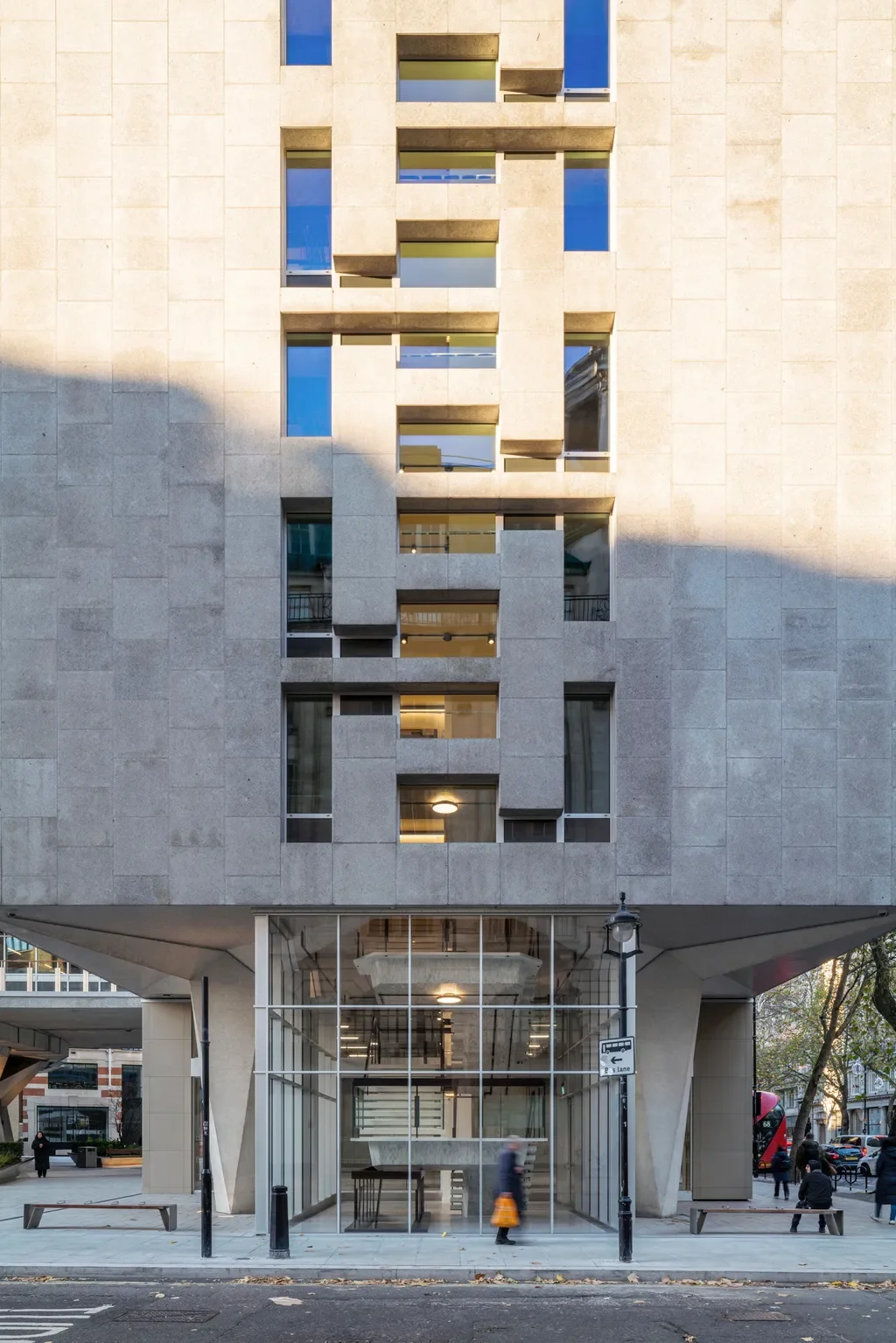
Space House (Image credit: Gareth Gardner).
Now, over 60 years on and in the wake of a growing commitment to preserving mid-century modernist architecture, the tide is turning, and a resurgence is afoot. In the words of developer Martyn Evans, London is whispering Richard Seifert’s name. 'His buildings are having their moment,' says the creative director of Landsec. 'It feels like a rediscovery, a quiet celebration. This isn’t nostalgia. This is affirmation. Richard Seifert’s buildings weren’t fleeting gestures or fashionable curiosities. They were designed to last and to matter.'
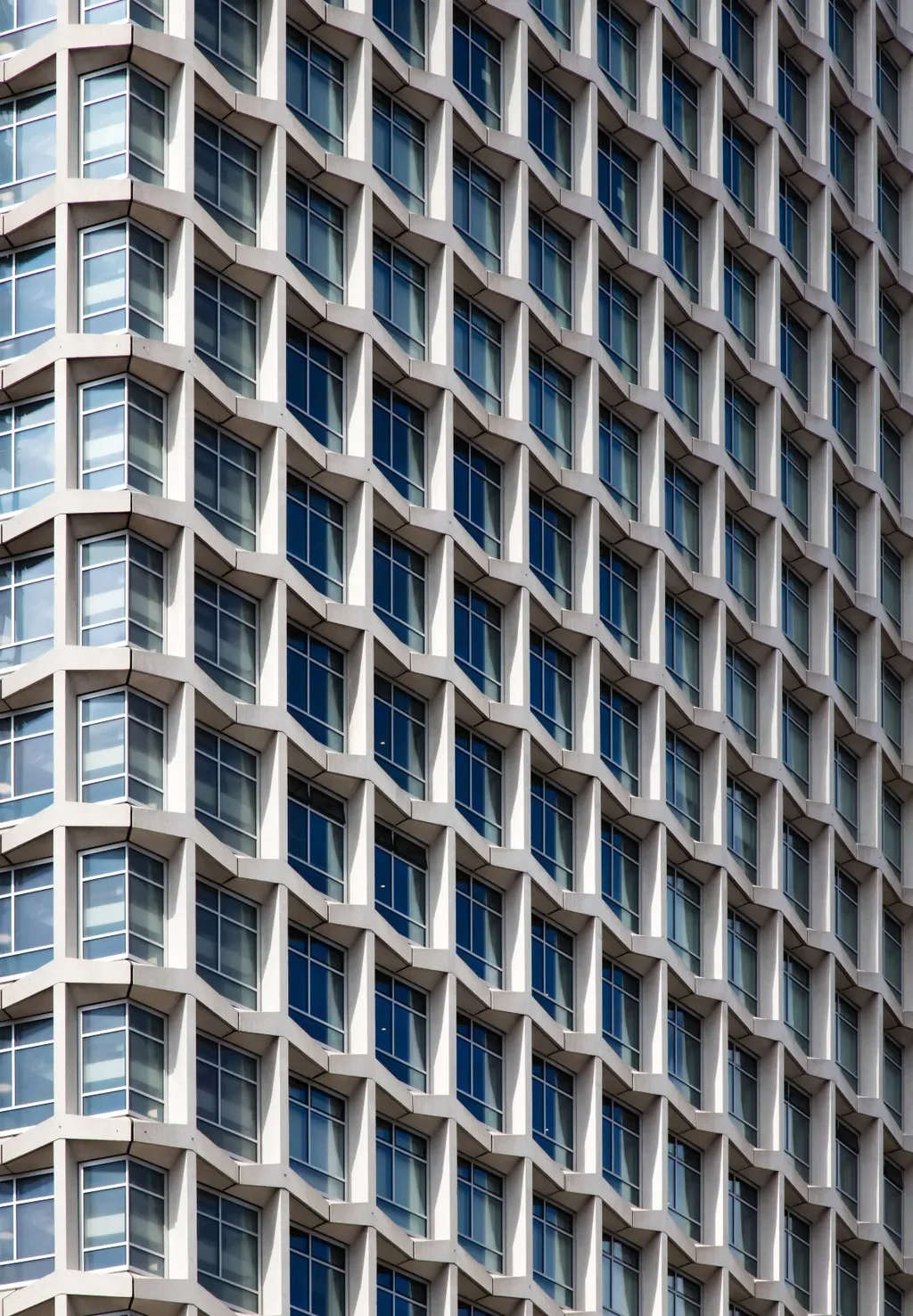
The residences at Centre Point (Image credit: Luke Hayes).
Indeed, they have, as demonstrated by a recent spate of sensitive and environmentally conscious restorations. These are projects that have proven Seifert’s original, pared-back designs, no matter how disparaged they were at the time or since for their aesthetics, lend themselves remarkably well to modern, sustainable architecture conversions.
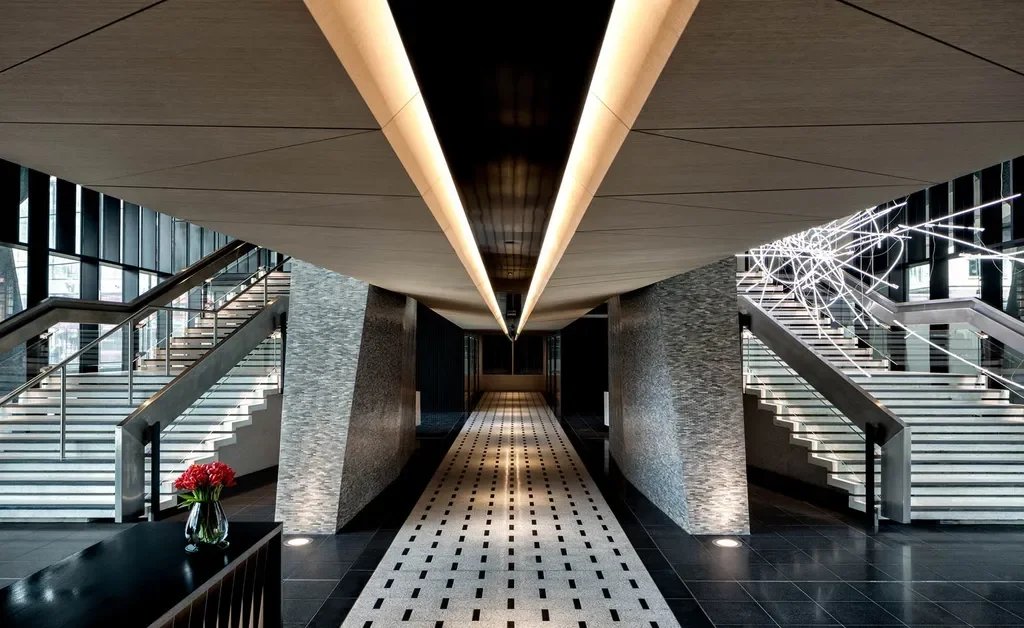
Inside Cente Point Tower, lobby area, London (Image credit: Conran + Partners).
The most recent of these was the redevelopment of Space House, the former Civil Aviation Authority HQ building in Covent Garden, where it has stood since 1968. In a bold departure from the lure of the new, 90% of the original structure – a distinctive 17-storey cylindrical tower linked to a rectangular block by an enclosed bridge – has been retained for a fresh generation of office occupiers.
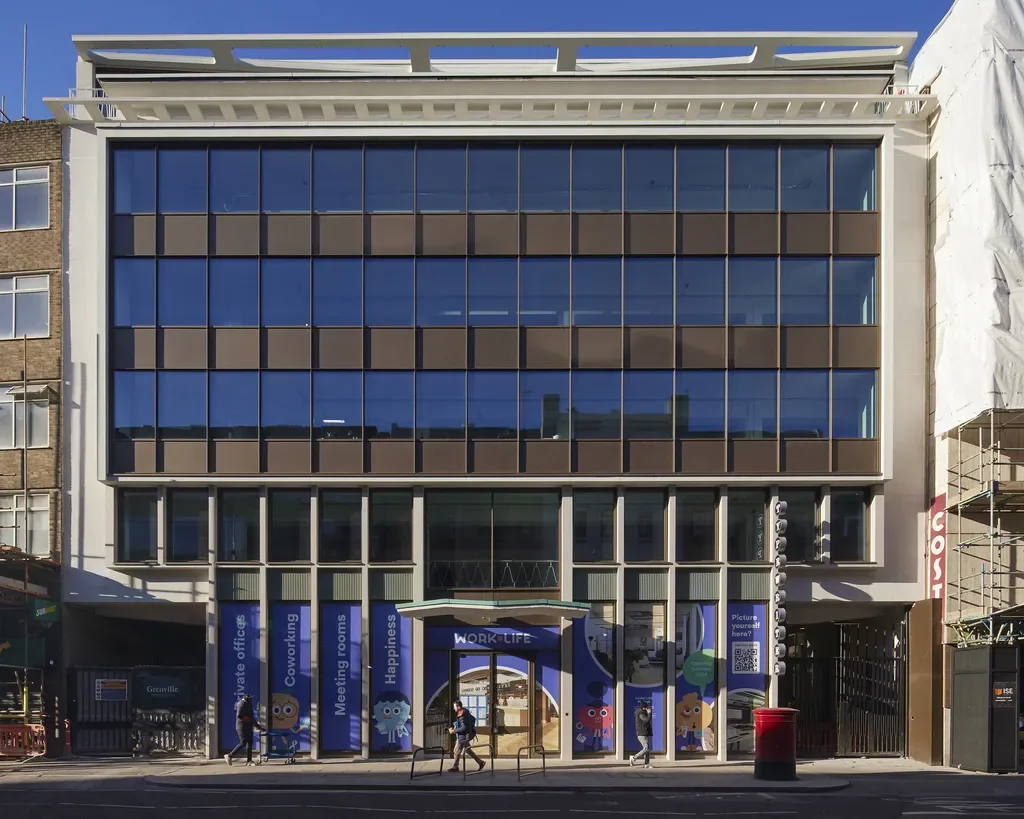
Typewriter Building (Image credit: Courtesy Typewriter Building).
Reopened at the end of last year, the Grade 11-listed building has been praised by Historic England as ‘one of the most important redevelopment projects of our time’ given the unwavering commitment from developer Seaforth Land, architects Squire & Partners and environmental engineers Atelier 10 to not only breathe new life back into the structure, but to ensure it has the sustainability credentials to guarantee ongoing longevity.
PIRATE CASTLE
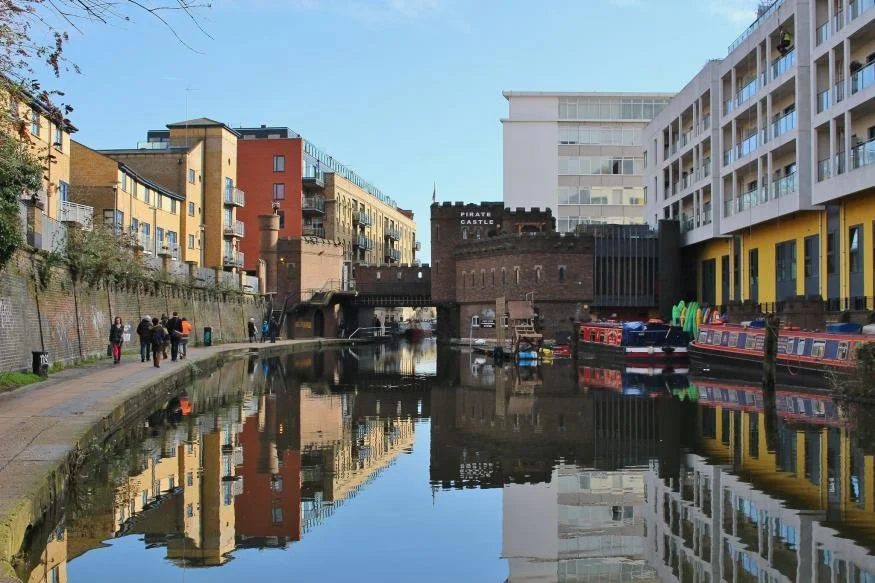
The following description of Richard Seifert’s improbable Pirate Castle on the Grand Union Canal is reproduced, with acknowledgement and thanks, from the Londonist website at www.londonist.com.
The architect Richard Seifert has arguably done more to define the skyline of London than any other single architect, having built more London buildings than Sir Christopher Wren. One of his buildings was even graced with a TARDIS. Throughout the 60s and 70s he conceived a plethora of gleaming, futuristic icons such as Natwest Tower (now renamed Tower 42 despite being a 50 storey embodiment of the bank’s logo), Space House just off Kingsway, and Tolworth Tower on the Kingston bypass, while his most famous (or infamous) building is Centre Point atop Tottenham Court Road station.
Thoroughly nonsense-free and professional — a colonel lieutenant of the army no less, who insisted on retaining the moniker in practice — his architecture is the embodiment of the sleek modernism synonymous with his Swiss background. It came backed with a reputation for the ruthless mastery of high-rise building through his ingenuity in the adaptation of construction principles and planning loopholes.
For all this tight-buttoned rationalism then, it’s a bit of a shock to discover it was Seifert who was responsible for what appears to be an architectural joke on the Grand Union Canal in Camden. Nestled in among the industrial warehouses next to Camden Lock, the Pirate Castle of 1977 looks like some kind of folly, a hangover from a party long since over, not least because its medieval castellations and Jolly Roger flag are supplemented by a huge sign branding it PIRATE CASTLE. Just in case you weren’t sure.
Unfortunately, of course, it isn’t one really, but a centre for children’s watersports, yet the story of its background is just as odd. It was founded in the 1960s by the unfeasibly named Jestyn Reginald Austine Plantagenet Phillips, otherwise known as Viscount St Davids, son of Baroness Strange of Knokin, Hungerford and De Moleys, and who later adopted the nickname Peg-Leg after fracturing his leg in a fall between the club’s original narrowboat home and the pontoon.
Originally based on a decrepit narrow boat, the first pirates lived up to their club’s name, raising funds for its current home by in effect mugging the other users of the waterways. Their “rattling tin raids” on passing canal boats were subsequently supplemented upon opening by holding the Lord Mayor of London for ransom in the club’s dungeon. There’s nothing like taking a theme and running with it, is there?
An extension to the centre in 2008 by AAB Architects thankfully preserved the castellated theme, and provided additional and updated facilities to grant greater access to those with physical disabilities — too late for Peg-Leg unfortunately, who died in 1991, though his legacy lives on.
This is one of London’s real icons, emblematic of a cultural history standing proud against its surroundings. And it’s pure Seifert too, once you look closely — imaginative, innovative, ceaselessly battling convention. After all, his disdain for anything box-like, bland and rectilinear even extended to his V-shaped desk. This just takes things one step further. While you may think you know the London skyline, it’s the anomalies where you see its true character.