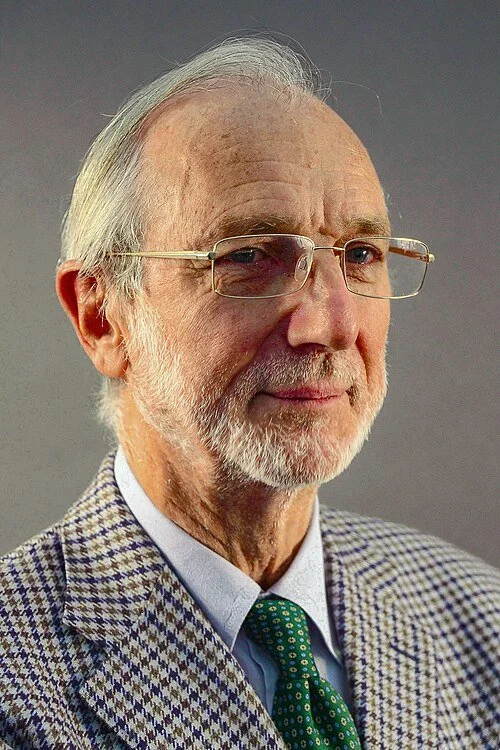
RENZO PIANO: BORN 1937
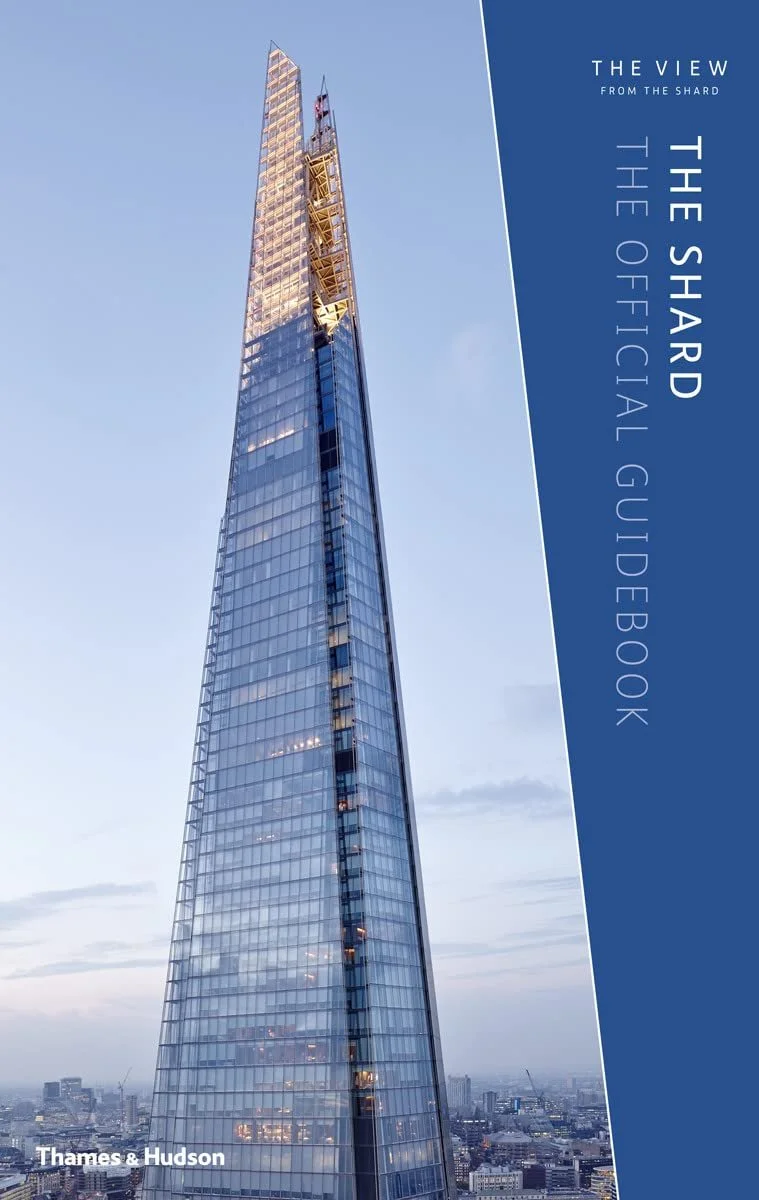
Renzo Piano’s two notable London buidings are the Shard and Paddington Square, both for the developer Irivine Sellar. They are triumphs of elegant modernism. And the Shard, at 1016 feet high, lifts the London skyline in an extremely elegant way.
Piano started his career with the British architect Richard Rogers. They made their names by winning the competition to design the Pompidou Centre in Paris. They went on to establish separate practices, both of which have been very successful.
BOOKS FROM AMAZON
LIFE
The following article was reproduced, with acknowledgement and thanks, from the Arch Daily website at www.archdaily.com.
Italian architect Renzo Piano (born 14 September 1937) is known for his delicate and refined approach to building, deployed in museums and other buildings around the world. Awarded the Pritzker Prize in 1998, the Pritzker Jury compared him to Leonardo da Vinci, Michelangelo, and Brunelleschi, highlighting "his intellectual curiosity and problem-solving techniques as broad and far ranging as those earlier masters of his native land."
Born in Genoa, Piano was originally expected to follow the family tradition and become a builder but instead chose design, studying architecture in Milan. After working for Louis Kahn between 1965 and 1970, personal success came early in Piano's career: at the age of 34, he and Richard Rogers won the design competition for the Centre Pompidou in Paris. After the completion of the building, Piano spent four years working alongside Peter Rice, the engineer of the Pompidou, before founding his firm Renzo Piano Building Workshop in 1981.
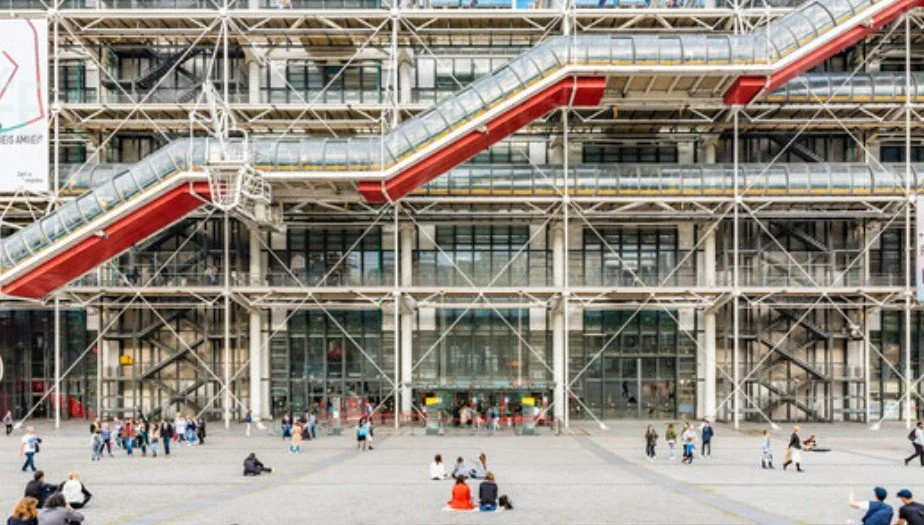
The Pompidou Centre, Paris by Renzo Piano and Richard Rogers.
The groundbreaking success of the Pompidou led Piano to a number of other museum commissions, including another of his most widely-praised works, the Menil Collection in Houston which opened in 1987. Today Renzo Piano is perhaps the world's most prolific museum designer, but in his own practice, his designs became markedly different from the flamboyant structural display of the Centre Pompidou; he has instead become revered for his light designs and precise detailing (although many critics sensed the ghost of the Pompidou in his Whitney Museum of American Art, completed almost 40 years later). Piano refutes the idea that his work displays any single style, however, telling The Independent “I think it ['style'] is a trap. But what I don’t hate is 'intelligence' or 'coherence.' Because coherence is not about shape, it is about something stronger, more humanistic, more poetic even.”
This reputation for sensitivity and coherence has enabled him to build alongside some of the greatest architectural works of the 20th century: in recent years, he has completed buildings adjacent to Le Corbusier's Chapel at Ronchamp and Carpenter Center at Harvard, and Louis Kahn's Kimbell Art Museum.
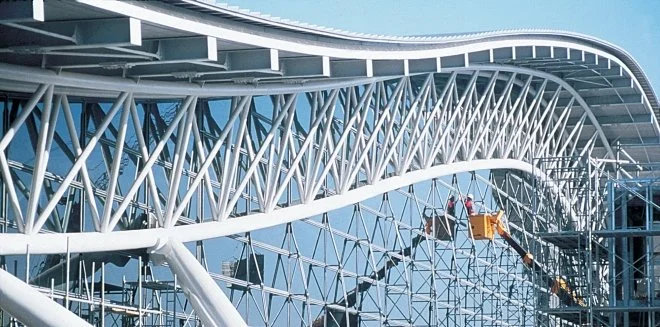
Kansai International Airport Terminal, Osaka, Japan.
In awarding him the 1998 Pritzker Prize, the jury praised Piano's sensitivity but also his versatility, citing projects such as his Kansai Airport Terminal in Osaka as evidence that he was capable of more than just museums—a fact that would be reinforced in the decades to come with projects such as the Shard in London. The jury stated that "by choosing a career as an architect rather than contractor, he may have broken with a family tradition in one sense, but in fact, he has enhanced that tradition in ways his forebears could only have imagined."
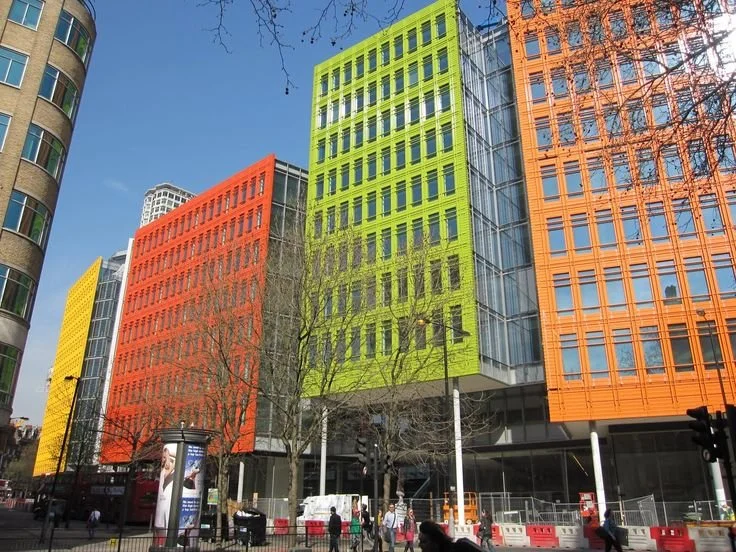
Central St. Giles office development, London.
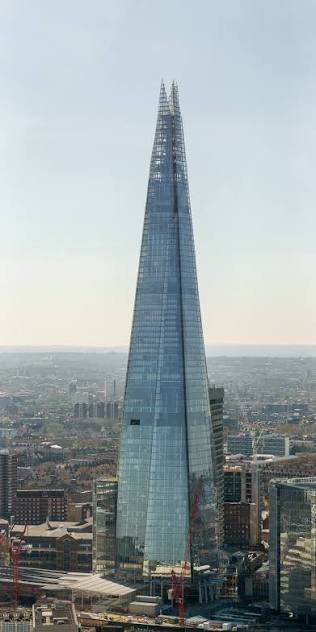
At 1016 feet, the Shard is the UK’s tallest building. It combines offices, apartments, hotel and restaurant.
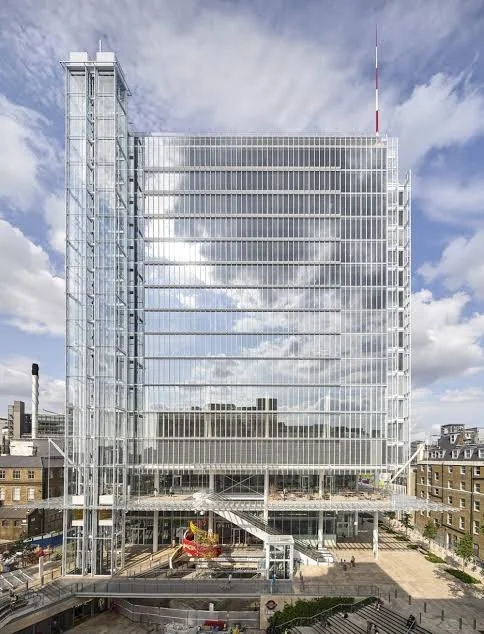
The Paddington Square office building, adjacent to Paddington Station, is by Renzo Piano.