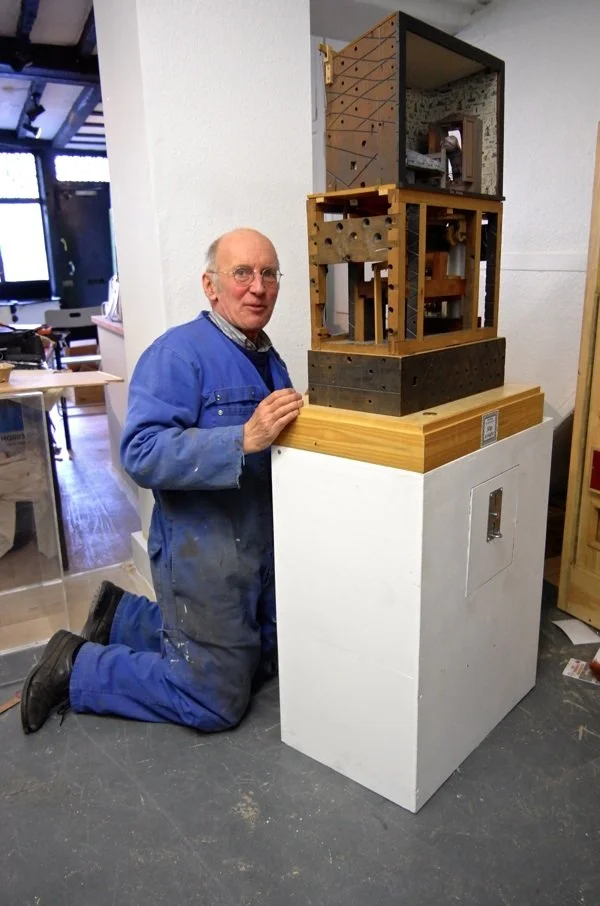
TIM HUNKIN: BORN 1950
AUTOMATA MUSEUM
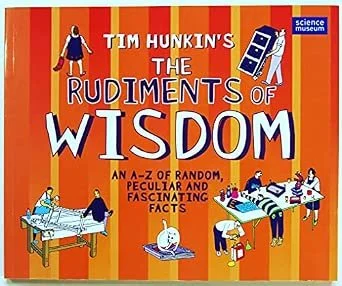
For years Tim Hunkin wrote a wonderful cartoon strip for the Observer called the Rudiments of Wisdom. It explained, through his inimitable drawings, the workings of everything from washing machines to earthquakes. He moved on to found the astonishing NoveltyAutomation attraction near Holborn underground station. It contains his beautifully made and wacky automata, inspired by 19th century seaside pier machines.
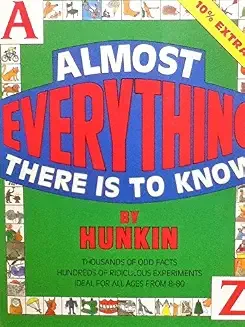
BOOKS FROM AMAZON
LIFE
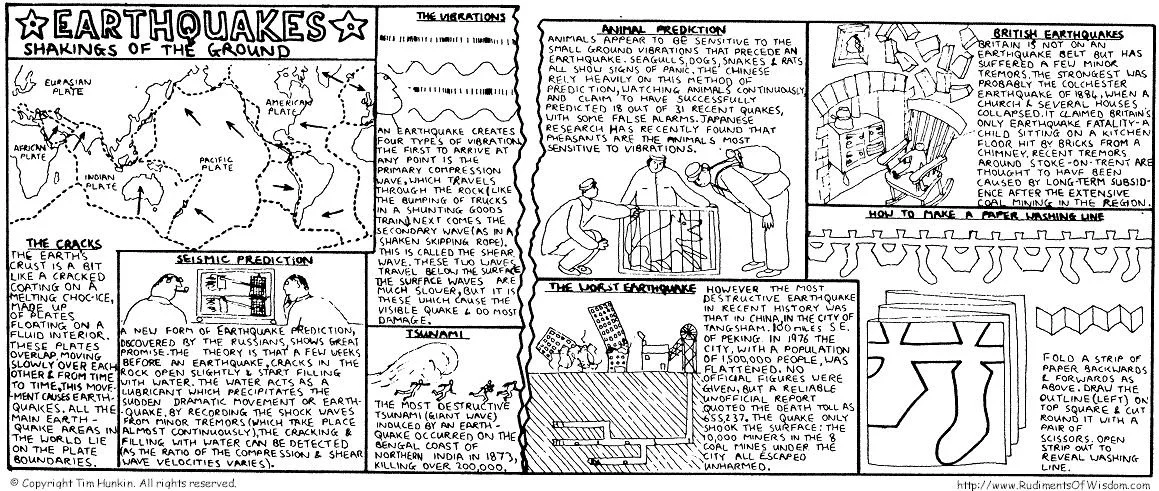
Above: Hunkin explains earthquakes in his series of Rudiments of Wisdom drawings in the Observer newspaper. The following was extracted, with acknowledgement and thanks, from the Spitalfields Life website. It is at www.spitalfieldslife.com, and is produced by the anonymous Gentle Author. His remarkable website about London people and places contains more than 5,000 stories and 45,000 pictures.
I know I cannot be the only one who still has a cardboard file of copies of Tim Hunkin’s genius cartoon strip, ‘The Rudiments of Wisdom,’ clipped weekly from the Observer and cherished through all these years. So I hope you will appreciate my excitement when Tim invited me over to Bloomsbury last Sunday to photograph the arrival of his automata and slot machines, prior to next week’s opening of Novelty Automation, his personal amusement arcade.
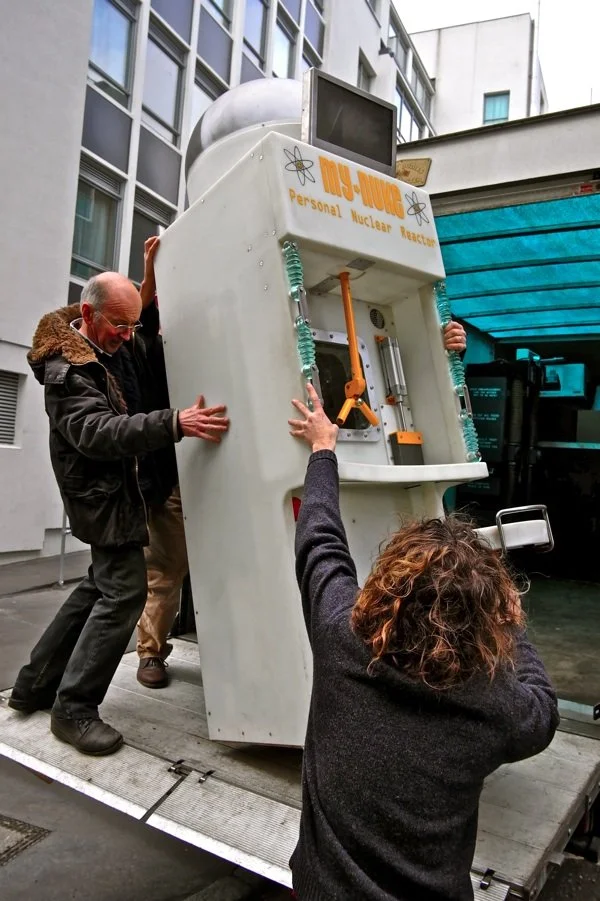
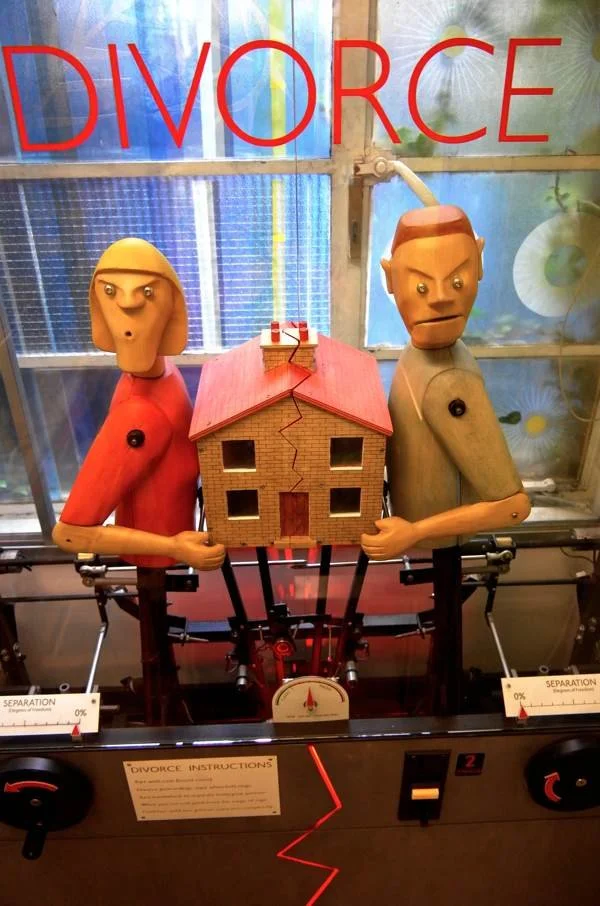
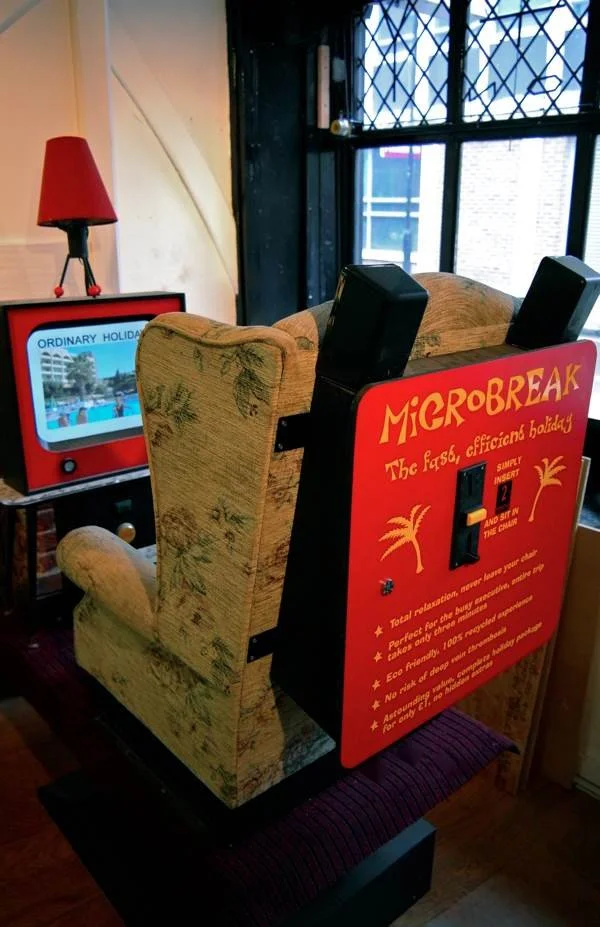
I can now reveal that there were a few anxious moments as Tim’s nuclear reactor lurched violently while being manhandled from the van. But you will be relieved to learn that all the machines fitted through the door and are safely installed inside his tiny premises in Princeton St off Red Lion Sq, where – for a small fee – Londoners will be able to practice money-laundering, witness a total eclipse, lose weight, get frisked, get divorced, get chiropody and – of course – operate a nuclear reactor.
Yesterday I went back to admire Tim’s machines, illuminated and humming with life in their new home, which gave me the opportunity to have a chat with the engineer while he tinkered with the works, making his final adjustments and ironing out a few last minute snags. “I started making things as a child and the cartoons were a distraction at university when I couldn’t have a workshop,” he revealed modestly, his hands deep inside a machine, “I started drawing for a student magazine and that led me to the Observer.”
Leaning in close with a puzzled frown, Tim tilted his gold spectacles upon his brow and narrowed his eyes in thought, peering into the forest of cogs and levers. I hope he will forgive me if I admit could not ignore the startling resemblance at that moment, in his posture and countenance, to Heath Robinson’s illustrations for Norman Hunter’s Professor Branestawm stories.
“It’s much easier to make a living by drawing than by making things, and it’s harder to make things that work,” he confessed, turning to catch my eye, “I often say, I spent the first half of my life making things badly.”
“I just like being in my workshop, I get itchy feet sitting at a desk. But if my body gives out before my mind, I plan to write a huge book about Electricity,” he continued, growing excited as the thought struck him.
“I plan to hang on as long as I can,” he reassured me, returning his concentration to the machine.
“The ingredient you need when you make things is to know it’s worthwhile,” Tim said, half to himself, “There needs to be a point to it – sometimes I leave my workshop and go down to the arcade in Southwold and I see people laughing at my machines there. You can’t imagine how addictive that is for me.” Casting my eyes around the room at Tim’s array of ingenious and playful machines, each conceived with a sharp edge of satirical humour, I could easily imagine it. “I’m quite a loner, so it’s my connection to the world and it gives me great pleasure,” he confided without taking his gaze from the work in hand.
“People underestimate slot machines,” he informed me, almost defensively, “Once they have paid, they pay attention, read the instructions and concentrate because they have invested and they want to get their money’s worth. So you’ve really captured your audience.”
“In the eighties, I had a brush with the Art world, but I prefer the notion that, rather than buy your work, people buy an experience,” he concluded, adding “and you don’t have to be sophisticated to enjoy it.”
All this time, Tim had been fiddling with an hydraulic system which caused the eyes to shoot out of a bust of Sigmund Freud but – at that moment – was failing to pull them back in again afterwards. Constructed of old timber, the device comprised an automated bedroom with dream figures popping up from inside the wardrobe and outside the window.
“The machines are the stars not me,” Tim declared when I exclaimed in wonder to see the mechanism spring into life, “I’m looking forward to when I can get back to my workshop.” I left him there playing with the dream machine and I rather envied him.
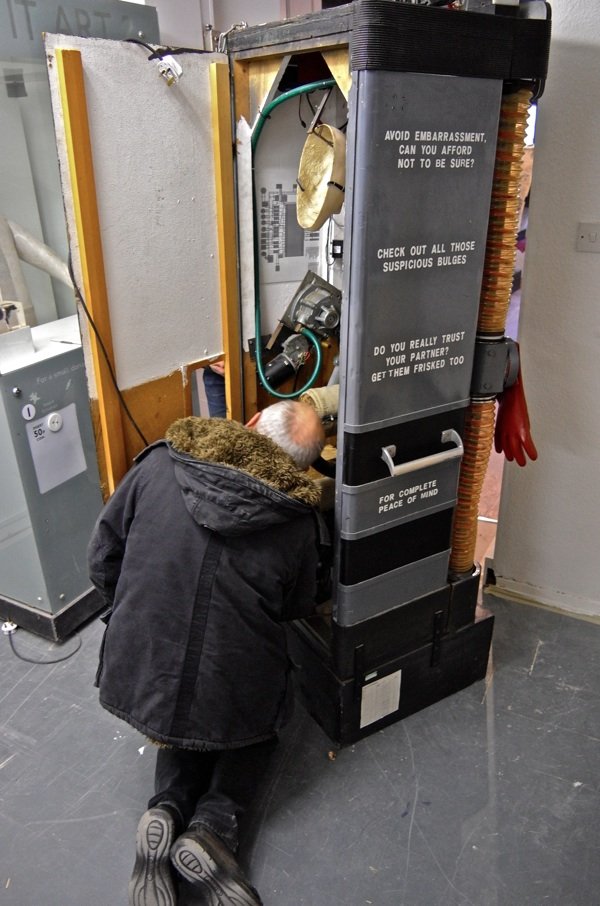
Tim Hunking checking out the back of his frisking machine. When you put your coin long rubber gloves inflate and fondle you.